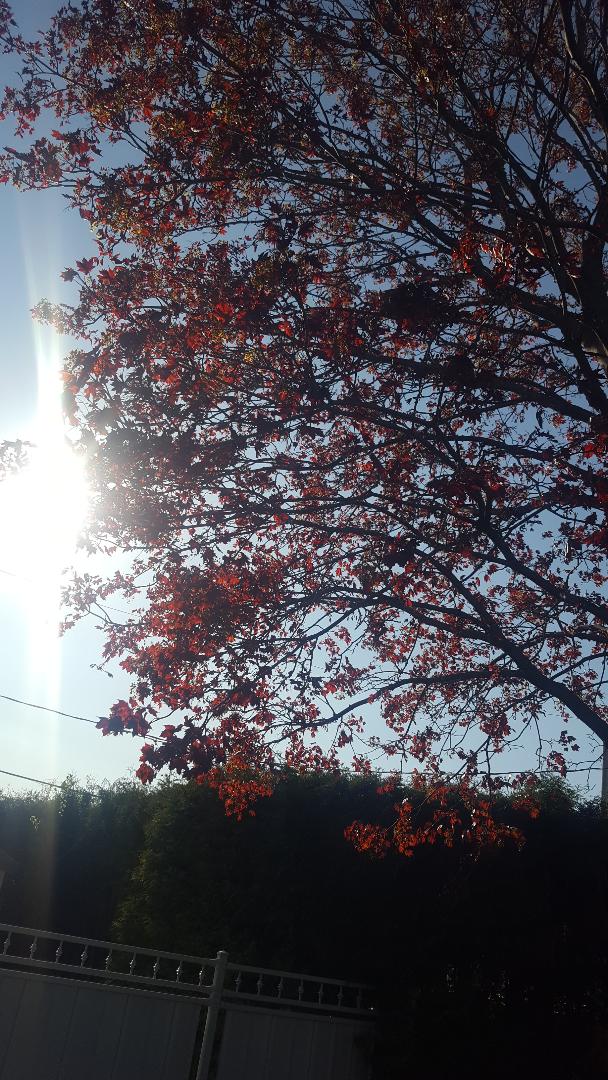
Tuesday, October 31, 2023

Autism Answer: Parenting is a Journey, be a Good Traveler


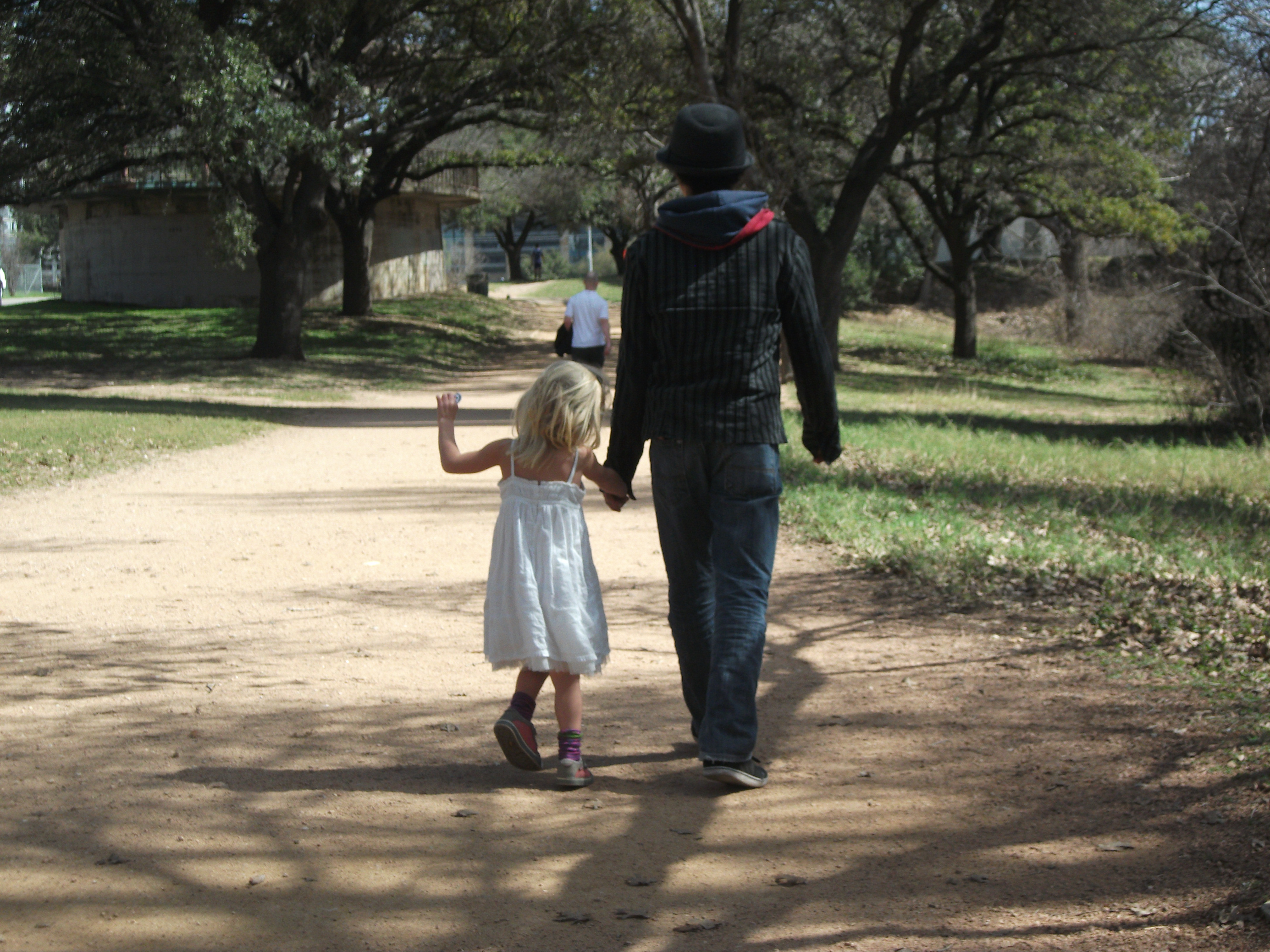
My son walking with his cousin


"A good traveler has no fixed plans and is not intent on arriving." ~Lao Tzu
 
Parenting is a journey you cannot fully plan, and if you try to stick religiously to a plan, you put yourself and your child(ren) in harms way. It is dangerous to watch the plan more than the people. 
 
Of course, goals and plans and places you are heading are a valuable part of the parenting journey. Without them we are at risk of simply wandering the path of least resistance regardless of how unhealthy it might be, or for people with an "it must be hard work to be worthy" personality, you might choose the path of most resistance, again, regardless of how unhealthy it might be. 
 
"A good traveler has no fixed plans and is not intent on arriving." ~Lao Tzu
 
The journey of parenting has no *fixed* plans. But plans, dreams, ideas, goals, pictures imagined and heading toward, these are wonderful. These give us passion, purpose, and help us see our progress, recognize our arrivals. 
 
"A good traveler has no fixed plans and is not intent on arriving." ~Lao Tzu
 
As a parent, there are many arrivals. There are many moments to celebrate and recognize. Don't miss those! 
 
But also, in the journey of parenting, there is no ultimate arriving. If our children are fairly regular, fairly irregular, dead or alive, close or far, the travel can last as long as it is right for it to last, so do not be intent on arriving. Notice the arrivals along the way, celebrate and remember them. But travel to wherever and however and for whatever time it takes.
 
“Remember, the timetable is arbitrary. There is no point at which a child must be done and done is an illusion.” ~Lynette Louise aka The Brain Broad 
 
Happy Tuesday, friends!!!
Enjoy any and all travels you are in the midst of!
 

Friday, October 27, 2023

Book Review: Maid: Hard Work, Low Pay, and a Mother’s Will To Survive by Stephanie Land


Book: Maid: Hard Work, Low Pay, And A Mother's Will To Survive
Genre: Memoir
Author: Stephanie Land
Pages:270 
Reviewed by : Me! (Tsara)


me reading the book my daughter-in-law lent me

She was using birth control but it didn’t work.

When Stephanie Land discovers she is pregnant not long after her 28th birthday, she finds herself in an all too familiar place. One where she has to make choices that will drastically decide the direction of her life. Hers, and if she chooses, her child’s.

Some of the choices she makes are thus: have the child, tell the father, become a mother.

Putting her plans to attend a writing program in Missoula, Montana – a place that calls to her like home - on hold, she tries to build a family in a trailer with her increasingly abusive boyfriend. When his abusiveness becomes clear, when he punches a hole in the plexiglass window on the door, meaning she can call the police with a type of proof, something to point at and say, “See that? He did that to us,” she does. She leaves him and begins her time as a single mother.

I admit to being impressed that she knows it is right to walk away. I have not always been so aware. Others, however, might have been unimpressed with how long it takes to leave. Others, still, would judge her for leaving at all at so “little” abuse. The point is relevant to this book where a recurring element is how easily we judge each other and ourselves.

Stephanie does not have much support from her family. Her mother is inaccessible, living in Europe and not interested in making changes, and her father – living with his second wife and their children - is unwilling to be inconvenienced for too long by his oldest daughter and his granddaughter.

So, Stephanie works. She works at finding work - landscaping and as a maid - she works at getting assistance for day care, food, housing, utility payments. She works at bartering her way to a better life for her daughter, offering to clean toilets and houses in order to get sparkly dresses, healthier housing, and safer day care. She works at stifling the shame she feels for being a single mom, for being poor, for not being better at doing better. She works at trying to keep her daughter safe from black mold and an abusive father. 

Everything she does is motivated by motherhood.

The struggles of getting assistance from the system, while working your butt off for very little pay as a landscaper or maid - tidying up for others - is portrayed so well in this memoir. So clearly and balanced. She isn’t overly bitter, she isn’t overly appreciative, she isn’t overly anything really. She simply invites us to join her in a life of hard work, poverty, navigation of grants and services, parental fears and primal needs, impossible choices and urgent decisions. By bringing us with her we are inclined to feel bitterness, helplessness, and, on occasion, appreciation, but only because they are appropriate.

Being a single parent while having to share every other weekend with an abusive one is an impossible sort of exhaustion. Watching your little love deal with tantrums related to a life hard to understand, feelings bigger than their bodies, homes with hidden health dangers, foods that are minimally healthy, and consistent illnesses due to it all. It depletes your physical, emotional, and financial health; often keeping you from the gift of dreaming which can, itself, cost too much emotionally.

But Stephanie describes well the moments that re-energize and reinvigorate parents; the moments with your child(ren) that infect every ounce of your body and vision with a love that is special largely because of the urgent responsibilities.

I have known a variety of single parents. I have been one myself. My mom, though, is the only one I know who had a similar lack of support from any family.

And though my mom found different ways to solve the same challenges Stephanie faced, she faced the same sort of discrimination regarding her creative solutions for feeding and housing all eight of us kids, as well as simply for being a single mom. 

An Aside: Stephanie Land navigated poverty and single parenting in the United States, my mom did it in both Canada and the United States. 

For so many of the reasons Stephanie shares in her book about the paperwork, the constant proving of your poverty, the all-day waiting for meetings that might end in merely more requests for gathering paperwork, all while also working and trying to get better work in order to do better while finding yourself losing necessary benefits when finally doing a little bit better, never able to get even a little bit ahead in order to become able to be properly ahead, for so many of these reasons my mom avoided the help of systems. This meant trying to find (and invent) other creative means of making enough money. (My mom painted houses, joined a bartering group, did comedy shows that incorporated us kids at fairs and similar events, performed as characters at birthday parties, and a variety of other interesting work that could either bring us along or have us older girls babysit the younger boys.) She also did do the paperwork for a few government and nonprofit organizations. She got help from a shelter for abused women, various disability groups, food banks, kind people she met with a desire to do good and some disposable income, and one wonderful Christmas a truckload of gifts from Canadian Tire. 

The point is, I recognized the exhaustion and hard work of trying to raise a child, or children, on your own while consistently being bombarded by the extra layers of unnoticed obstacles; the nasty looks and cruel comments at grocery store counters when using stamps or WIC coupons, the inability to host proper play-dates or bring foods to school functions, the inability to seek medical care for yourself when you make just a little too much to qualify and working through the pain and illness, the judgements of everyone when your child has a public outburst, the constant worry that you are doing everything wrong while working so hard at getting it right.

Something every reader can take away from this true story of one woman’s hard work, low pay, and love for her child, is the ways our judgements hinder and hurt us. The ways they are most often wrong.

She was using birth control but it didn’t work. She had been responsible. She had taken the steps required. Done the “right thing” for a young girl not planning for a family. She had been careful, responsible.

And throughout the entire story she shares with us readers, she remains impressively so.

Maid is an excellent read. For moms, for social workers, for people wondering about abuse, for people who want to better understand poverty – their own, or that of others.

Maid brings us into a variety of homes to tidy up while encouraging us to take notice, to wonder and imagine other lives, without being overly critical of the mess. 

 __________________


Maid by Stephanie Land, sitting beside a cloth and fairy wings

NOTE: My daughter-in-law recommended this book to me. Not only recommended, lended! She has mentioned several times in conversation that she adores this book and so much about it; that she wants someone to talk with about it. What I do not yet know is specifically what she loved or why. She is the young mother of two lovely little girls. She and her husband (my fantastic son!) are in that place financially where every dollar they make must be carefully allotted for and if they make a little more they lose a little of the medical financial help they could qualify for. They love their little family fiercely and will do anything to keep it healthy, strong, and happy. So it is easy to imagine pretty much every element in this book is meaningful, helpful, relatable, understandable, inspirational to her. But rather than merely imagine, I think I'll call her. We now both have someone to talk with about this book. :D

Tuesday, August 29, 2023

Autism Answer: Our Example Is More Than What We Do While Our Children Watch


One of my granddaughters sweeping


Our kids do learn from our example. I know they do. But.... 
 
Working hard while they watch doesn't mean they're learning to work hard. Reading great literature while they climb all over us on the couch doesn't mean they're learning the value of great reading. Maintaining a comfortably clean environment in their presence doesn't mean they are learning to do the same. 
 
Our example is more than what we do while our children watch.
 
It is also how we include them in what we're doing, it is how we explain our reasons for doing what we do, it is the ways in which we guide them to try, to join us, to tell us their reasons. 
 
It is our own attempts at meeting them half way that help them more honestly notice us and our example.
 
Regardless of our children's abilities, styles, basic personalities, they are learning from our example. But that does not mean we can simply do things we think are good while they watch. Because what they are seeing when they watch is not actually the thing we are doing. 
 
What our children see is themselves. Particularly our children with sensory issues and social challenges. They are contending first with themselves, and what they see of our example grows out from there. 
 
If I keep a clean house but don't show them why or how, my children will not likely learn to keep a clean house but, instead, will likely learn (from my example) that they should expect a house to be kept clean for them. (Don't worry, I did not do that. A clean house? Ha!!) 
 
So, yes. It's nice to know that if we work at always being a good example for our children they will learn from it. But it's important to know that what they will learn is always up to them, and that the only guaranteed bonus of setting a good example is that we ourselves will be someone we believe is a good example, and we will be able to remember having done that for ourselves and our children. 
 
Our children do learn from our example.
 
Even if what they learn is to throw my books away because when I am reading great literature on the couch I am not doing a good job of paying attention to them.
😃
 
Hugs, smiles, and love!!!
 
 ADDENDUM -
An example of what learning from example can look like from my own childhood: 
 
My mom raised a lot of kids. I am the oldest of eight and not only did mom raise all eight of us on her own, she often allowed for others to live with us while she helped them raise up as well. People with disabilities, people who were severing themselves from abuse, people who were simply unhoused, mom was always open to finding ways they could help each other. In this environment, mom expected us to all pitch in. Us kids were often delegated to the work of keeping the house going; cleaning, lunch making, putting brothers to bed. In the meantime, what I saw was my mom doing the important work. The work of helping people with challenges, writing articles or shows meant to change the world, finding work that was inclusive and would pay enough to feed, house, and clothe our family. Mom also did most of the housework, but I didn't actually notice that. I wasn't watching that. I was growing an opinion that housework can be done by anyone but the important work, the stuff that matters, is done by someone special. Someone who sees what others don't see. My opinion was bolstered by the fact that I did not see what my mom saw, until I listened to her explain and teach it, and then - yes - I would see her insights exampled in the results. 

I know she was not exampling "people who spend time cleaning the house are not special people with wisdom and important ideas" but as time went on I began to develop that belief from her example. I grew to feel less than when I would clean, I started to think mess was a sign of brilliance, but I also did not have the courage or even the ideas for the other work my mom did. For a lot of years, I just sort of stayed in mess and played with my kids and worried I was not wise or important. Luckily, I also learned from mom's example that being a mom who is all in, a mom who is entirely into the role and willing to do the work of becoming better along the way, is important and wise. So, ultimately, I grew beautifully. In part because of mom's example and in part because of how I saw myself while learning from it.

Wednesday, August 2, 2023

Autism Answer: Not Too Shy To Tell You


My mom w/one of her grandchildren

 
I was terrifically shy as a little girl. 
 
I was considered quiet and polite by adults, for the most part. Being shy often means being quiet and polite. Being polite does require an amount of social effort, challenging for a shy person, but it is less effort than dealing with the attention of not having been polite. 
 
As with many things I didn't like about myself as a girl, I would often blame my mom. My hairy arms? Her fault, clearly. I mean, who has a baby with a hairy man when they obviously know that will put the child at risk of one day being a girl with hairy arms being told to wear a t-shirt in P.E.? I mean, c'mon. It's just selfish really. Darn moms. Am I right? 
 
Anyway, one day I made the mistake of politely mentioning to my mom that my debilitating shyness was, no offense, her fault. (We were in the car and she was asking me to go into the store to purchase something and I was too scared and shy and whining at her that it was her fault and she was a terrible mom.)
 
Mom patiently encouraged me to go, pushed me with just enough force to let me notice that it was ME being a big baby and that she was not cruel and was only encouraging my growth. I got madder at her for that. 
 
"If I ever have a kid as shy as me," I snapped at her, "I will put them in situations where they have to talk to people so they get practice and won't be shy! I'll do it from the start! I'll make them ask for directions and order food and talk to everyone so much they won't ever have a chance to be this shy!!" 
 
I don't remember, to be honest, if I walked into the store that day. But I do remember mom pointing out that she was doing exactly that by asking me to go into the store. She was creating the situation for me to practice not being shy. I remember the horrible feeling in my stomach when I realized what I'd done and what I'd basically asked her to keep doing. 
 
That was so many years ago. Since then I have performed on stages, been on camera, ordered pizza, talked to immigration officers, been interviewed about my ideas on the phone and on video, asked for directions from strangers over and over. So much of that has been at the request of my mom. Sometimes the request is a fairly forceful request; a request bordering on a demand. Sometimes it is simply a request that requires my willingness to be lost and ask for directions. (MOM: can you drop my headshots off at my agent's house? It is a brown house on such and such road between so and so and so and so street in Toronto. By a KFC. I think there is a window? ME: Lots of houses have windows. MOM: Yes, but this one, I think, has a really big window. ME: Okay.)
 
I am still foundationaly shy. I am still deeply happy alone, I'm desirous of being anonymous, I naturally avoid company more than seek it. And no matter how many times my mom puts me in the position of doing so, I still cannot make cold calls.
 
But I am not devastatingly shy; debilitatingly shy. And I tell you what, I definitely was. 
 
My mom needed my help. She had eight of us kids, she was a single mom, my siblings and I were all challenging and challenged in a variety of uncommon ways, I am the oldest. She needed my help. Had she not pushed me to be less shy, I would have been less help. 
 
And of all the things I am today it is being helpful, being an assistant, being a right hand man, that I find consistent joy in. It is how I make my money and a place I find purpose. 
 
I am grateful to my mom for pushing me.
That doesn't mean I enjoy it.
But I truly am grateful. 
 
And I'm not too shy to tell her I blame her.
(Though maybe with less whining this time?)
 

Monday, July 24, 2023

Autism Answer: In My Opinion, We Don't Always Need an Opinion


Looking up through the leaves

The rustling of leaves in the trees, a breeze caressing my skin in unpredictable intervals, birdsongs dancing through the sky-waves, smells of flowers and soil intermingling and reminding me to breath deep, this is a sensation I love.
 
This is a place I go where I don't judge myself, where I don't feel judged, where I am not surrounded by opinions and I feel no need to form one of my own.
 
Alone:
I disappear when I am inside nature. I feel myself melt away and be consumed, become an element or an ingredient, a component of something so spectacular I cannot feel anything but wonderful. I am not ugly and fat, in nature. I am not stupid or a burden, in nature. I am not in debt or unable, in nature. My ideas are not bad for society, or brilliant and necessary, in nature. Simply, I am not and nature is.
 
With Children:
When I was raising my children I found nature similarly wonderful, but I did not disappear. I had a role, I was mom. But in nature, unlike how I felt in town among other moms and children, I could see my children more clearly. Without the mess of feelings and worries and expectations I felt when in a more social setting; nature cleared the air for me. I could see them, see their behaviours, notice their uniqueness without fear of how it was being received or judged. I could simply see. And in that place I was more comfortable guiding them while I learned. I could see them clearly and so I could better see where they were in need of learning. There is freedom in the wild, but that does not mean allowing only wildness. Many mothers in nature teach their children ways to behave. But without the need to conform them in order to fit in and, rather, with a need to give them skills to help them thrive.
 
Alone:
In nature I become more. Yes, I disappear. But I disappear into everything. My sounds and smells, the feature of me, is equal to the sensations around me.
 
With Children:
Their sounds and smells, the feature of them, is equal to the sensations around them. They are not being asked to conform or play by the rules. In nature the rules are be what you are until you no longer are. If what you are works well, you might last longer and pass on your genes. If not, okay.
 
I want to exist comfortably in society. More than that, I want the children I love to find ways to exist comfortably in society. But not without caring about our nature.
 
It is a worthy pursuit, finding ways to fit in. Practising politeness in your culture and gaining the skills to participate in the games people play.
 
But one of those games, I've noticed, is having strong opinions about everything going on in the world.
 
Having an opinion about everything and everyone, ourselves and the people in the world - online, particularly - becomes exhausting. It becomes unhealthy and unkind.
 
In nature, things are sometimes trending, but there is no need to form an opinion. It simply is what there is more of at the moment. That's how nature works (when we allow it to work). (We are encouraged to make certain judgments, of course, since many things in nature will hurt or kill you.) (Also, growing an opinion is fantastic, fine, and fun when encouraged to blossom naturally, without a need to make it sound smart, or match a movement, or instigate a reaction.)
 
Spending time alone in nature helps me practice loving the world without needing to have an opinion.
 
Spending time with children in nature helps me practice having an opinion while loving people in the world.
 
In my opinion, I like my opinion.

Saturday, June 3, 2023

Autism Answer: The Core of the Problem


pocket watch


When working with a piece of machinery we can fairly easily believe that the machine will last longer and work better if we care for the various parts. If we fix and maintain things at the core of the machine, rather than jury-rig or jerry-build or find funny ways to make things work (hold one side this way while shifting the other side that way and then press this thing this way, it's not broken it has personality!) they will last longer. If we take care of a machine by noticing things before they become bigger problems and then properly replace or maintain the working parts, the technology will likely be healthier because of it.
 
That's not to dismiss the tricks we use to make things last. That's not even to say that it is always better to maintain a machine at it's core. But we must admit, usually it is. 
 
People are not machines, but it is true that we are also generally healthier and happier when we maintain ourselves at the core. 
 
When we investigate why our knees are hurting rather than only avoid stairs; when we explore the reasons behind our behaviors, the beliefs behind our feelings, rather than only wish we did or didn't have those behaviors or feelings; when we play an active role in creating a life we like rather than only feel hard done by when we don't like the lives we have; when we do the investigating and exploring and make potentially healthy adjustments - to our diets, behaviors, environments, beliefs, etc - we last longer and work better. 
 
Going with the flow is beautiful, but we must know ourselves well enough to choose which flow, rather than have one (or many) whisk us away; a flow that might threaten to drown us in a life that stifles our ability to be who we like being, or to even discover who that is. 
 
That's not to dismiss the little tricks we use to make ourselves happy as we are flowing. That's not even to say that it is always a good idea to follow a feeling or behavior to the core. But we must admit, usually it is. 
 
I think we can make ourselves crazy by examining every little detail of ourselves or others as though it is the most urgent matter. But we can also find ourselves drowning in mismanaged health and lack of joy when we do not examine enough about ourselves. 
 
If we are particularly different, if our personal machinery behaves in ways that are unusual or extremely challenging, we will find it harder to maintain ourselves, I'm sure. But like an unusual or uncommon piece of machinery, something unique and not mass produced, we are still capable of finding our core and keeping ourselves going. We will have less people who will understand or make space for us, less places to find the parts and information we need, but it is there. 
 
People are not machines (though some of us have machines as part of ourselves) but people created them. And we created them for us, and sort of in our own image. We build things and explain: This works to move that which shifts this which sends a signal to that which interprets the signal based on this while over here the valves (if properly lubricated) will pump this and ignite that. 
 
That's how we work. One thing leading into the other thing feeding this other thing and a gazillion things working for and against each other in order for us to be, well, us. <--- Yes, I paid attention in biology and know smart science things.

I do understand the people who scoff at others for caring a lot about nutrition, exercise, mindfulness, and more. I do understand. In truth, I treat my machines poorly, choosing not to take care of what's going wrong but instead jury-rig or bandaid. (Though I try not to scoff at the folks who do take good and proper care of their machines.)
 
But finding a good balance between taking good care of ourselves and each other, while relaxing and not allowing the work of taking care become a problem itself, is something we ought to applaud. After all, we are responsible for ourselves, and if we applaud that in each other we will be better. Better at being healthy and better at applauding each other. 
 
Don't be afraid to ask why you feel broken or unable to function properly. Don't be afraid to look inside yourself and seek the core of the problem. 
 
Always know there is something you can do and you are not unworthy of the work.
 
You are not a machine, but it's okay to think of yourself in that way if it helps. Something that can be maintained, upgraded, made to work well within the parameters of the machine it is. 
 
Take care of yourself. Not in a "hold one side this way while shifting the other side that way and then press this thing this way, it's not broken it has personality!" sort of way, but in a getting to the core of the problem way. (Important Note: when we take care of ourselves by getting to the core of the problem we continue to have personality!)
 
Be patient, it can take time. And admittedly you might not find the core of the problem, but if you don't try you are at risk of adding cumbersome piles of misleading blame over it. You are at risk of wasting time pointing out problems of others because it is easier to see what appears broken than to sift through the mechanics and minute details of every little piece that makes you tick. 
 
But, man! It is rewarding work! 
 
When you find the core of a problem and make a change, everything comes into focus and finds itself working well! It's fantastic and invigorating! (Until the shift moves everything into a new place that creates new areas of problems to find the core of.... but, don't let that stop you! The more you explore your own health and happiness machinery, the easier it gets to recognize what's up.)
 
People are not machines.
But it can be useful to pretend.
 

Wednesday, May 31, 2023

Autism Answer: Hold Him This Way


Declyn and me


"Hold him this way," my mom suggested, holding my youngest son up in her arms, away from her body, while encouraging eye contact with her loving smiling eyes. 
 
He was little, in my memory not quite a year old, but we were noticing sensory stuff and lack of eye contact. We weren't worrying about it but we were noticing. And we were following his cues while hoping to help him feel our love. 
 
As Declyn grew, this sort of noticing and following and leading continued. 
 
He had a debilitating case of hyper empathy, any amount of uncomfortable energy could hurt him to the point of a meltdown. Meltdowns he chose to have alone, crying and talking to himself (or the people embroidered on his pillow) until he was alright. He got good at helping people sort out their feelings, which was a form of self-preservation. He had sensory issues that affected him in several ways: he vomited often, he was overstimulated often, he wanted to wrap his fingers in my wet hair often. 
 
In each case when I would notice, I would follow his lead and then attempt to help him make sense of what was going on for him and then lead him towards comfort - with himself and the world around him. 
 
Parenting Declyn was wonderful. We were close. We understood each other. We had deep conversations and shared our inner selves. 
 
At least, that's what I thought. 
Declyn

Turns out, I was quite mistaken! 
 
Oh, we have always been close, but he (along with all of his brothers) hid so much from me. I knew them, but also I did not. 
 
But I am not wrong in remembering much of our closeness. Of how much Declyn impresses me and finds ways to connect and have fun with me. 
 
So this morning, in celebration of Declyn on his birthday, I roller skated and rocked out to the entire soundtrack for The Greatest Showman. Because that is a memory of our closeness.
 
Declyn and I love to sing our hearts out, loud and proud, proper pitch and right words be darned! When we are in a car together we are unstoppable! From blocks away you will hear us coming (and though you are not likely to say "what lovely singing voices" you hopefully will think "what passion and joy"). 
 
When Declyn's brother bought him The Greatest Showman soundtrack, after having taken us to see the movie in theaters, it was an all out oh man we love these feelings rock out fest. For months! We were almost addicted! 
 
I didn't think about it then, but today, as I rock and rolled, I recognized why so much of the music would hit hard for my youngest son. The lyrics, the dreams, the "this is me" declaration, these and more are deeply Declyn. 
 
So today, I'm holding him this way. 
 
Holding him up, remembering and reliving and feeling, while hoping he will feel my love. A love I am pushing out into the world with intense rocking out energy. Perhaps his hyper empathy will help him feel it: as far as Montreal, Quebec is from Fallbrook, California, I wouldn't put it past him. He feels things. 
 
And when I hold him this way, I feel them too. 
 
Happy twenty-third birthday to my darling Declyn!
I love you!!
 
Hugs, smiles, and love!!
 
If you want to rock out with me and Declyn, here's one of our favourites: